 Every school day, I give my elementary aged sons, Clay and Alex, the same hurried series of instructions: “eat your breakfast; put your clothes on; brush your teeth; get your shoes on; grab your backpacks.” On the mornings when it rains, I rush them along even more than usual because the carpool line can grow long as more people drive than when the weather is nice. On one of those recent rainy days, I added, “put your coat on” as we got into the van. Ten-year old Clay said, “It’s not raining yet.” “Yes, it is,” I countered. “We’re inside the garage right now. Watch,” I said. I slowly backed out of the garage and the rain pelted the van. Clay gave me a look that said “fine” and slid his coat on before buckling his seat belt. He didn’t know it was raining because he hadn’t looked out the windows of the house that morning. He didn’t know it was raining because our garage is attached to our home. His mind was on the inside of the house instead of outside.
I started wondering about how our focus shifts between the inside of our homes and the outside of our immediate domains. Sometimes, our own houses, or lives, are in trouble. There are leaks and the rain is pouring in the roof. The wind is blowing the water in under the doors, so the floors are flooded. We feel like we are wading around with buckets and mops, frantic and worried. These are the times we need to concentrate on our own houses. We must take care of our lives and families when we are in need and should seek and accept help from others to deal with the circumstances life throws our way.
When things settle down in our own homes, and everything returns to normal, we tend to hunker down in the calm after the storm. We are so relieved to stop struggling that we simply stay inside to remain safe and avoid any other calamity. We may even assume that because we are okay for now, everyone else is okay too.
But if we focus only on our own lives, we fail to see that the rain may still be falling on others’ lives. When we don’t look beyond our own realities, we miss the suffering of others, from people in our immediate communities enduring emotional, financial, and health challenges to those who are hurting in the community at large, be it our city, state, country, or world. While we cannot solve every person’s problems, we can become more aware of others’ issues and understand the reasons for their pain.
The other day, I heard a radio interview with some people who were on the edge of poverty. They had jobs, but they also had college debt, medical bills, children, some of whom had special needs, and on and on. One of them said, “I’m not stupid. I’m not lazy.” She just wanted others to understand that her plight was complicated and not easily solved. She wanted to be seen in her God-given humanity, not as someone who was less than because she didn’t have much money. The woman was busy trying to keep a roof over her head – literally. She had to keep her eyes on the problems right in front of her to survive.
But if our lives are running relatively smoothly, we can make efforts to learn about the vulnerabilities of others. Awareness is a first step toward understanding and then helping in some way. Let’s take care of our own lives certainly, but let’s also reach out to those stuck out in a downpour. Maybe all we can offer is an umbrella, but perhaps that caring gesture is a start and just what the other person needs.
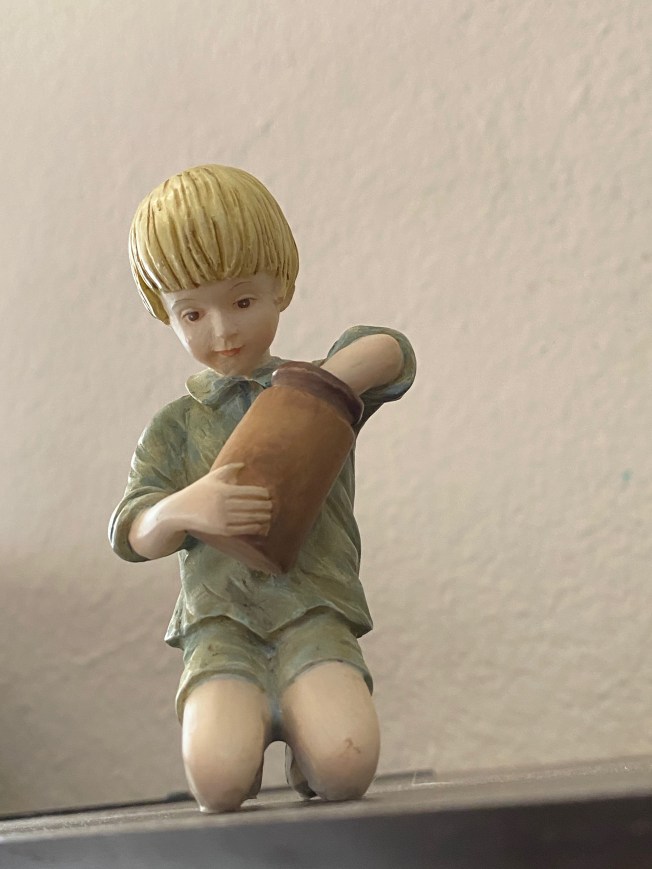


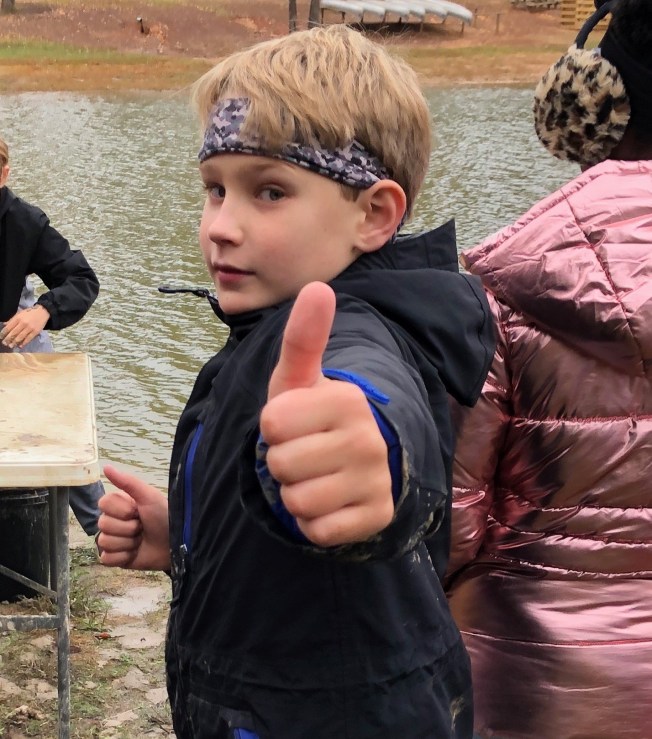

 My almost fourteen-year old son Jed is obsessed with athletic shoes. He spends a lot of time on the internet researching them. He knows exactly when new shoes will be released, how much they cost, and whether they have a propensity to increase in value over time based on the number produced and the unique nature of the shoe. Jed knows the details of each athlete’s latest shoe and is keenly aware of any celebrity collaborations to produce special shoes. From him, I’ve learned there is a whole community of shoe collectors who also love their shoes. Most of the athletes who collaborate with shoe companies are NBA basketball players. Many of them take their influence with their fans seriously and therefore try to impact the self-confidence of young people while also increasing their awareness of social justice.
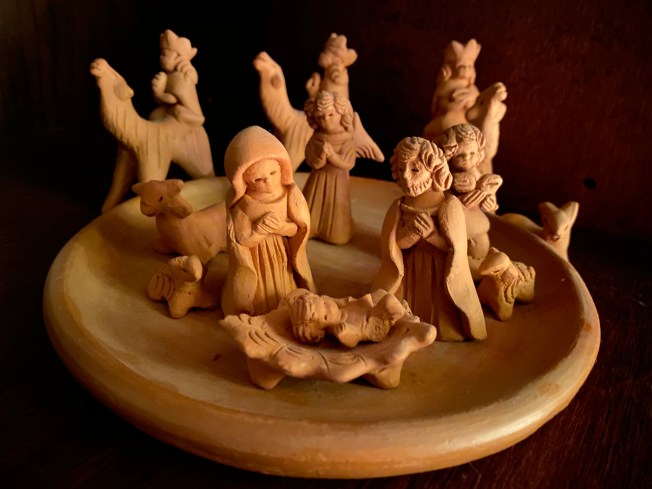 “Slow down,” I’ll say. “Take turns.” Ben will chime in, “There are no more. Once you’re done, it’s over.” We issue these admonitions every Christmas morning while our kids open presents. The anticipation of the holiday season looms large and builds until the four of them can hardly sleep on Christmas Eve. As their parents, we try to extend the big Christmas morning finale as long as possible, but it goes by fast. After a month of expectation, it’s over in less than half an hour. And sometimes, there’s a letdown that comes from completion of the gift opening. Not just for the kids either. As adults, we realize that holidays, birthdays, and other big life events can end in an anticlimactic nature, and that’s when our expectations are realistic. Throw in some unrealistic hopes and dreams, and the disappointment can be downright depressing.
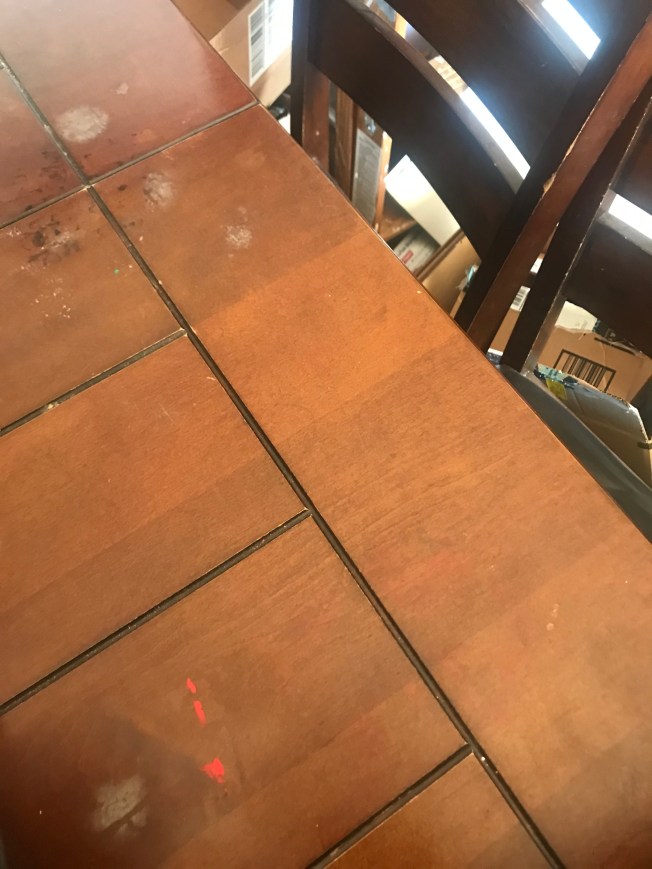 Our kitchen table is a mess. Even when it is wiped clean and clear of clutter, it is still stained. Splotches of red, pink, and green paint won’t scrub off. Black permanent marker bled through paper. Pencil scratches and indentations mar the surface. A water glass ring remains.
 Tina Riley Carter