Lessons for the New Year

Standard

I stood in the front yard struggling with a giant Santa Claus inflatable. I couldn’t stake it securely to the ground as the wind whipped. I had some choice words for Santa, including a threat to kill him by popping his balloon body. My anger was epic and would have moved me from the nice to the naughty list if that Santa had been real. I finally stabilized the 10-foot decoration but during my fight I thought, “what am I doing?” 

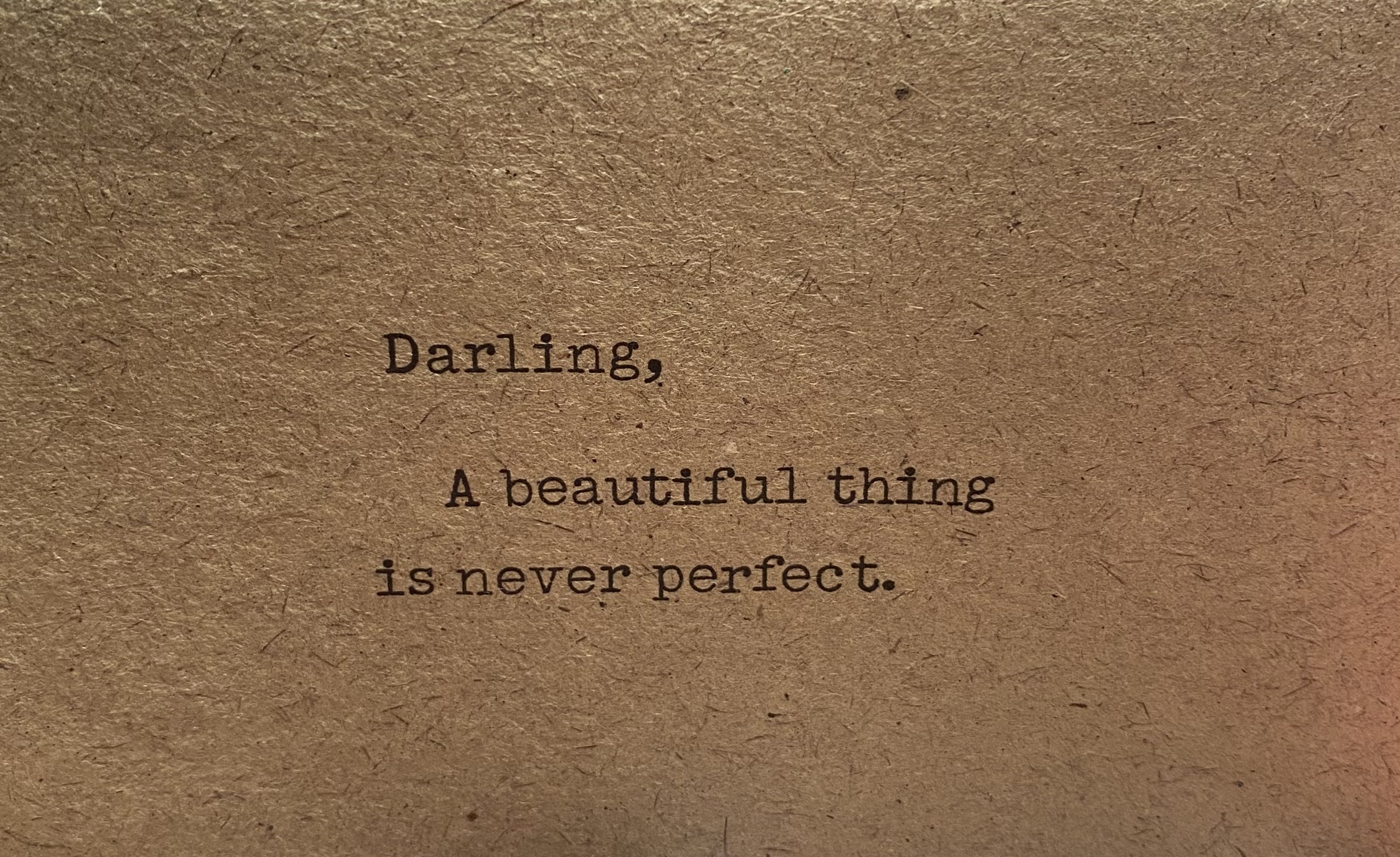
Every year I confront this dilemma: I want some decorations on the outside of the house, but I also don’t want to spend the money to have professionals do it. And so, we do some sort of home job on the outside, and I spend the whole month distracted by the fact that I don’t like how it looks. Our house is not bright enough, so it looks dark compared to others. Our attempt is not sophisticated like some of the beautiful displays on other homes in our neighborhood. Our decorations look cheap because duh – I’m cheap and don’t want to invest the money! But I realized that all of those moments of second guessing are based on comparisons with other people. Concern that we don’t measure up and people will think we are less than. Based on our Christmas decorations? Really?  

I love to send Christmas cards. I find joy in writing a letter and picking a family picture for our card. It takes a long time to write and print the letters, stuff envelopes, put all of the address labels on. And while I might get tired of the process by the time I finish, I genuinely love doing it. I know a lot of people who don’t send cards, and I say more power to them if it stresses them out or they just don’t want to do it. So why can’t I give myself the same grace? I don’t like worrying about the outside decorations. If I just accepted that and stopped comparing to others, I could reduce my stress and anxiety that is solely self-imposed. 

And so, I’m going to try and take this lesson into the new year. Obviously, there are things we must do even if they don’t bring enjoyment – laundry comes to mind. But when it comes to choosing activities, projects, volunteer work, creative endeavors, or commitments that fall outside of work and family, we can select things that fulfill us. That make us feel happy and content. That are worthy of our investment of time and energy. And say no to the things that drain us or that we do only because we’re worried about what someone else might think of us if we don’t.

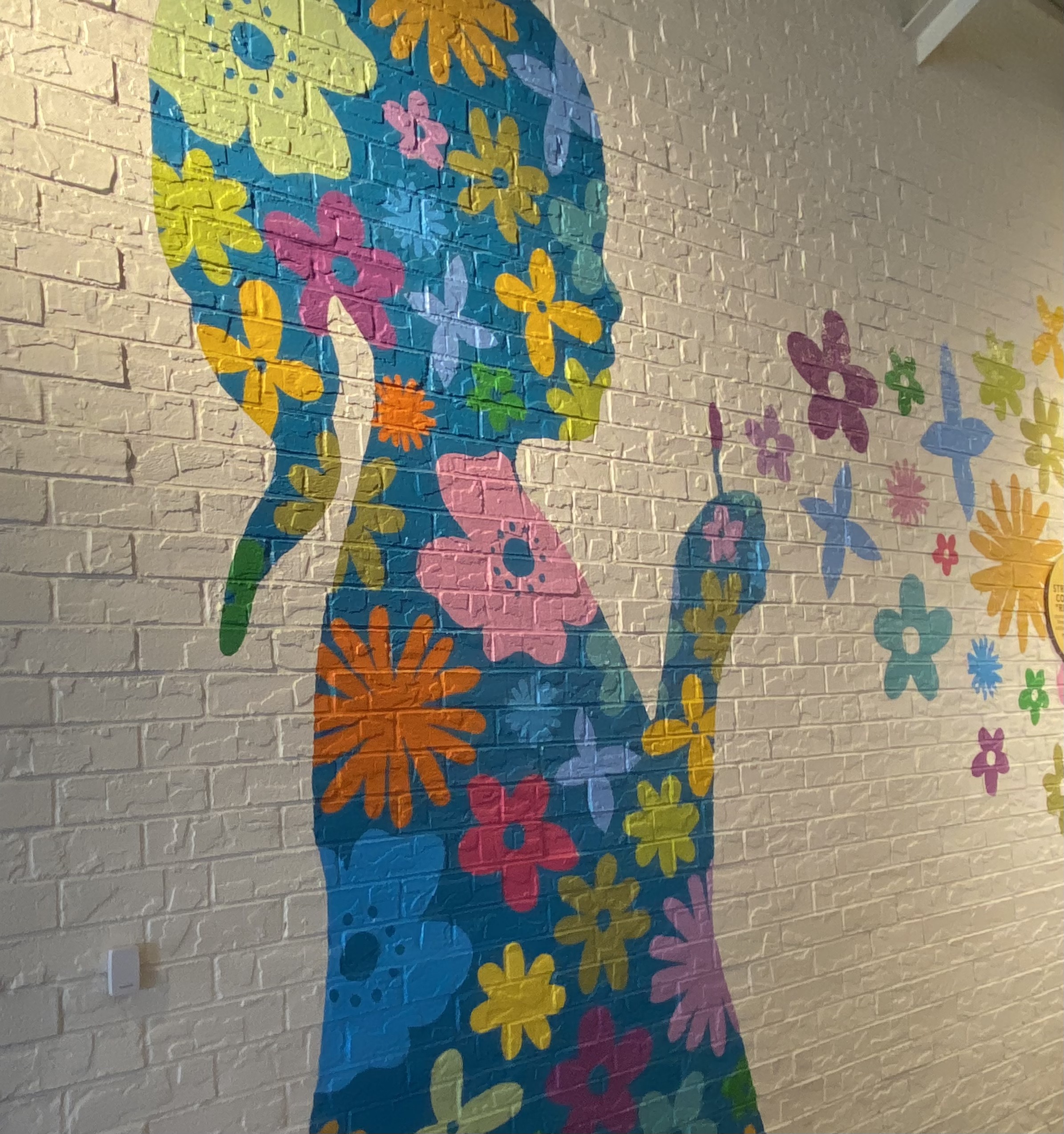
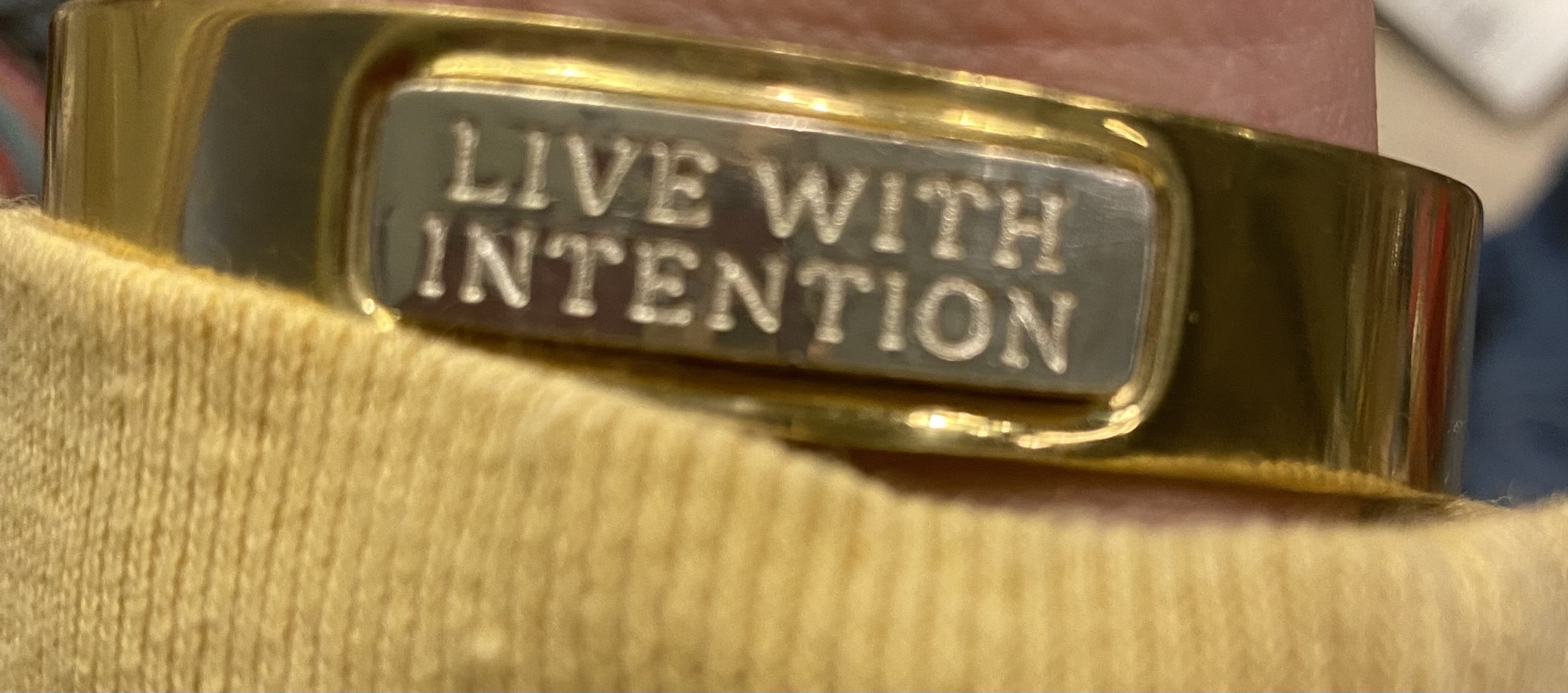
This is not new or ground breaking advice but when I was wrestling with Santa I realized I need reminders to slow down and truly consider what I want to do. The concept of intention has been popping up in my life lately, perhaps not by coincidence. In making decisions, I want to reflect on my purpose and think about my intentions. If a decision is based on comparison to others, I hope to reject those if they are also inauthentic to me. Let us give ourselves permission to seek our genuine interests as we move into the new year and beyond. 

Unexpected Gifts

Standard

When I was a little girl, the Cabbage Patch Kid doll craze exploded. I didn’t ask for one the first couple of years after their premiere because I was old enough to know it was virtually impossible to find one. But when I saw the Cabbage Patch Preemie in the Sears catalogue, I couldn’t help myself because they were so cute. Even though I was getting a bit old to ask for a doll, I told my parents I really wanted one for Christmas. Soon thereafter, my Mom told me that she’d tried to order one, but they were already sold out. So, I knew in advance that I wouldn’t get one. Then, on Christmas morning, I opened a gift to find the very doll I’d wanted. Somehow, my Mom caught the exact moment on film with my mouth wide open and shock on my face. My Dad had mentioned the doll dilemma to a colleague whose wife happened to order one even though they didn’t have children at the time. She let my parents purchase the doll, which turned out to be perfect for me. The gift was made more special because it was completely unexpected. 

As a grown up, I don’t relish surprises. I try to manage life so that I don’t encounter unexpected circumstances. And by that, I mean, I seek to eliminate the unexpected. I want to be organized and in control. I like to know what to expect. When I don’t know what’s going to happen, I experience anticipatory anxiety that can feel overwhelming. I worry about all the things that could go wrong. Unfortunately, I rarely focus on how the unexpected can go right. When I look back on my life, I must admit that some of the best things occurred unexpectedly. And yet, I tend to downplay those events and continue to live in fear of the unknown. In so doing, I leave little room for wonder and amazement.

Everything about the story of Jesus’ birth was unexpected. Angels showed up repeatedly with messages from God, terrifying the recipients of the news. Mary had a surprise pregnancy, and Joseph agreed to the unplanned situation despite potential shame for their fledgling family. After they traveled to another town for bureaucratic reasons, they delivered their newborn son with only a manger for a cradle. Shepherds showed up without advance notice gushing about an encounter with a whole sky full of angels, and a star eventually led three wise men to worship the baby with extravagant gifts. The most unexpected part though: Jesus, fully God, became fully human to demonstrate his great love for us. 

The people in the Nativity narrative could not foresee any of the steps along their journey. Instead, they allowed God’s hopes and dreams for them to unfold in unexpected and glorious ways. Perhaps we might let go, just a little bit, of our desire to control everything about the holidays, about the future, about life, and in so doing make space to experience the unexpected. We might find our eyes open to God’s gifts of the unexpected and encounter the sacred wonder of God’s love. 

Love,

The Carter Family

2022

Talking About Therapy

Standard
Photo credit: Riley Carter

“What did you do today?” my ten-year-old son Alex asked me after he got home from school on Tuesday. I told him about a few errands and then said, “I went to therapy.” He asked, “Was it good?” I hesitated. Therapy is good for me, but it can be tough in the moment. Alex sensed my uncertainty, so he asked, “Did you get out what you needed to get out?” I responded with a resounding, “yes.” Of that I was certain. I’d spent the time with my therapist talking about my recent anxieties and worries and even shed some tears. I had gotten my concerns off my chest and felt better because of it.  I didn’t tell Alex any of those details, but I knew he understood when he said, “then it was good.” 

He was right, it was good to unburden myself with a therapist that I trust. I’ve been fortunate to have two special counselors in different cities. I value my therapist’s advice and guidance. Just last month, after our family had our first-floor indoor walls and our ceiling painted, my asthma flared big time with all of the dust and fumes. But I kept going, powering through Thanksgiving week. By the time I arrived at therapy the week after, I was a mess, physically and emotionally. My therapist listened to my complaints and my cough all through tears and said, “sounds like your body is angry with you.” She explained that our physical condition and emotional states are tied together and when one suffers, the other does as well. She told me that I needed to go home, go to bed, and refuse to do anything but rest for the next couple of days. I protested because one of my boys had a basketball game that night, and I was worried about missing it. She reminded me that I go to most of the games, and it was okay to miss one. So, I followed her advice regarding rest and after a few days, I felt better both physically and emotionally. 

Looking back now, it seems so obvious: I was really sick and needed to take care of myself. But I couldn’t see it at the time even though my asthma has caused me to be sick like this before, even though physical illness has depleted me until my emotional health also suffers in the past. I foolishly felt virtuous for continuing to plow ahead despite my struggles. Sometimes, though, it takes someone else who knows us to point out how we are not taking care of ourselves. If we avoid mental health care when we need it, we are not truly taking care of ourselves. 

After I began writing this, we sadly learned of another celebrity, dancer Stephen “tWitch” Boss, who died from suicide. But there are so many people, celebrities or not, who suffer in silence and do not reach out for help. Perhaps it’s a result of lack of access or finances, but I fear that most do not seek help because of the stigma we still attach to mental health issues. As though we are weak because of chemical imbalances or pathetic because we travel through difficult times. Mental health care is health care, plain and simple. I beg of you, please seek out professional resources or people in your circle if you’re struggling. I promise people want to help you.  

In our immediate family, we believe in the value of therapy and medication that helps with anxiety and depression. We believe that we go more often to therapy when we’re having an especially hard time, but we also go for maintenance to manage our mental health stressors. It’s no different than managing my asthma with medication on a daily basis and ramping up the treatments when the symptoms are triggered by something extraordinary. There is no shame in pursuing help for our mental and emotional health. None. Life is hard. Let’s not suffer alone. Help is available, and seeking help is good.

Falling For Shared Joy

Standard

We are enjoying a lovely autumn here in North Texas. Of course, it’s December and was 80 degrees a couple days ago, but . . . Texas. Along with the emergence of Christmas decorations, we’ve watched the leaves turn bright oranges, reds, and yellows. Usually, our leaves turn brown and then fall off the trees without much fanfare, so it’s been quite noticeable. We may not rise to the level of a New England fall, but for us, it’s something new and exciting. Almost everyone I know has commented on how gorgeous the trees are this year. News articles have explained the weather combination that has produced this phenomenon, but the specifics are not important. The special part of this fall is that this brilliant display has created a moment in which we as a community have been stunned by beauty. 

Then it rained two nights this week because . . . Texas. Most, if not all, of the gorgeous leaves fell to the ground as a result of the strong winds and rain. My husband Ben raked for hours one day only to have the yard covered in leaves again the next morning. Now, everyone had a common complaint about the seemingly never-ending task of raking all the leaves. I think there’s value in expressing a shared frustration. We learn we aren’t alone because others feel the same way. We may find inventive ways to deal with the situation or comfort in the slog through the project. Venting to trusted friends or family can provide an emotional release that’s necessary to move forward. And move forward we must. It is so easy to be overwhelmed in the messiness of life but sharing our struggles can provide a path to better days unless we stay stuck in our complaining and mired in our misery.

While I think complaining actually can be a good thing, I loved the common feeling of appreciation we collectively felt when the leaves in their glorious colors were on full display. It felt almost magical. I don’t think we have enough opportunities to celebrate all together. Sometimes, we seem so divided, there feels like we have little hope of sharing in the same joys. Even at the holidays, when we’re called to focus on peace and love, there is so much hatred living in the world. We can become disheartened and hopeless. It can feel as though the discord is too heavy a burden, and we will never find solace in our communities. 

But maybe, we can watch for ways in which we can find commonality with others. Not that we should dismiss harmful behavior – we must continue to hold up that which is good and loving and condemn actions and words that produce hate. Perhaps though we can concentrate on that which draws people to love and light. Maybe it’s as simple as noticing the leaves or a beautiful sunset or a kind gesture and then bringing others’ attention to those things. Let us try to find ways to highlight common experiences that bring out the best in our humanity. Enjoying that connection with our fellow humans may create a little magic that lasts long beyond the moment and propels us into a better future.  

Home for the Holidays

Standard

My daughter Riley was home for Thanksgiving week for the first time since she started college in August. We were driving when the song “I’ll Be Home for Christmas” came on. Riley gasped and pointed at the radio. My initial thought was “hasn’t she heard this song before?” I play Christmas music the entire season, surely this was not the first time she’d heard it. But a second later, I realized that whether she’d heard the song before, she was now hearing the song in a new way. She was the one who would be back home for Christmas in just a few weeks. She loved the idea of being home for the holidays because she’d been gone for so long. 

I understood that feeling of hearing a song anew. Ben and I went to hear The Chicks’ concert in October. When they sang their hit “Wide Open Spaces,” everyone in the crowd sang along. I’d always associated with the girl in the song who was leaving home because the song came out around the time I left Arkansas for St. Louis to attend law school. The dad in the song reminds the daughter to “check the oil,” and my dad always checked the oil in my car. In the past, I’d always thought of my mom when they sang, “Mom stares out the window and says, ‘I’m leaving my girl.’ She said it didn’t seem like that long ago, when she stood there and let her own folks know she needed wide open spaces.” But this time, I’d switched roles. Now, I was the mother and Riley was the daughter who’d left home to start her adult adventures. I became teary because of the nostalgia of the song and the new emotions it evoked. 

I guess I shouldn’t have been caught off guard by my feelings about the song. I’d noticed my perspective shifting even before that. Two of the young married couples in our church had decided to move back to their home states. While I was sad for our loss as a church, I was excited for their mothers because their kids were moving home. Even though my youngest son is ten, I knew then that I no longer felt in sync with young couples or families who want or have young children. I’m happy for them but glad we are past that stage in life. 

Even though our views change over time, we often encounter a moment when we realize we’ve moved to a different phase of our lives. In the situations I’ve described, the changes are welcome, but often, we experience changes that are difficult. We age and so do the people we love. Good health is not guaranteed. Asking for help because of hardship or loss of independence is not easy to do. Those unwanted role shifts can be hard, and we may struggle to accept them. Yet when we realize our roles have changed in undesired ways, we cannot isolate and withdraw. We should turn to those who have helped sustain us in the past and look to them for support. I can almost guarantee that they would love to help. 

Let us celebrate the times when our roles change in good ways and reach out to our circle of loved ones when they shift in less welcomed ways. Especially during the holidays when not everyone can be home in the capacities they’ve once known, let’s remember to hold people close and love them in the roles they now embody.   

Believe It or Not?

Standard

The story of Jesus’ birth, as told in the book of Luke, started about a year before the Nativity scene we celebrate occurred. Instead, Luke began with the story of John the Baptist’s birth, who was a cousin of Jesus’ and would grow up to preach and teach to the masses and baptize Jesus at the beginning of Jesus’ adult ministry. John’s father, Zechariah was a priest, and both he and John’s mother Elizabeth were righteous in God’s eyes. They were considered “very old” by the standards of their society and had been unable to have children. One day, Zechariah went into the temple alone to burn incense to the Lord when an angel appeared before him. He was “startled and gripped with fear,” but the angel said, “do not be afraid.” The angel told Zechariah that Elizabeth would have their child, and he would be “a joy and delight” to them. That he would be great in the sight of God and would prepare a way for the Lord. (Luke 1). 

After the angel completed his monologue about how amazing John would be, Zechariah said, “How can I be sure of this? I am an old man and my wife is well along in years.” The angel didn’t take kindly to Zechariah’s question, and responded, “I am Gabriel. I stand in the presence of God, and I have been sent to speak to you and to tell you this good news. And now you will be silent and not able to speak until the day this happens, because you did not believe my words, which will come true at their appointed time.” So it was that Zechariah didn’t speak until eight days after John’s birth when they arrived at the temple, and he confirmed in writing that the baby was named John. Only then was Zechariah’s tongue set free, and he began to praise God. The people were in awe saying, “’What then is this child going to be?’” For the Lord’s hand was with him.” 

I’ve always wanted to believe that I would be like Mary in the story of Jesus’ birth, and willingly agree to follow God’s plan. I’ve always thought it must’ve been nice to receive such wondrous signs of God’s presence and be told the exact will of God in specific circumstances. But I’m pretty sure I would’ve actually played the part of Zechariah. A magnificent being appeared before him and had only good things to say about his unborn child. But after Zechariah got over the initial terror, he basically said, I don’t believe you. And I, being a person who will overanalyze the slightest details and silently question someone when they give me a compliment, would’ve said the same: “I don’t believe you. I don’t trust you. I don’t think you’re telling the truth. I don’t think that’s really going to happen.” 

God tells us he knows us, he loves us, we are his children, and he only wants the best for us both in his Word and through other people’s actions. That God wants us to seek him for guidance and comfort. But if we’re honest with ourselves, we may admit that while God’s sentiments are lovely, we secretly don’t believe them. God couldn’t love us if he really knew us. God wouldn’t want a relationship with us. Why would the God of the universe care about us? We don’t usually speak our doubts aloud but sit in silence like Zechariah and continue to harbor the thought, “I don’t believe you, God.” 

Zechariah came to believe, but maybe it wasn’t at the moment John was born and the angel’s words came to fruition. Perhaps Zechariah began his journey to accept God’s good word after he confessed his unbelief. That God used the next nine months to teach Zechariah that God loved him and only had the best interests of his family and his child at heart. So maybe we should take God at his word. When God tells us how much he loves us, we can say “I believe you, God. At least, I’m trying.” Let us pray that God helps us believe his good word to us today and every day.  

Holding Hands in Faith

Standard

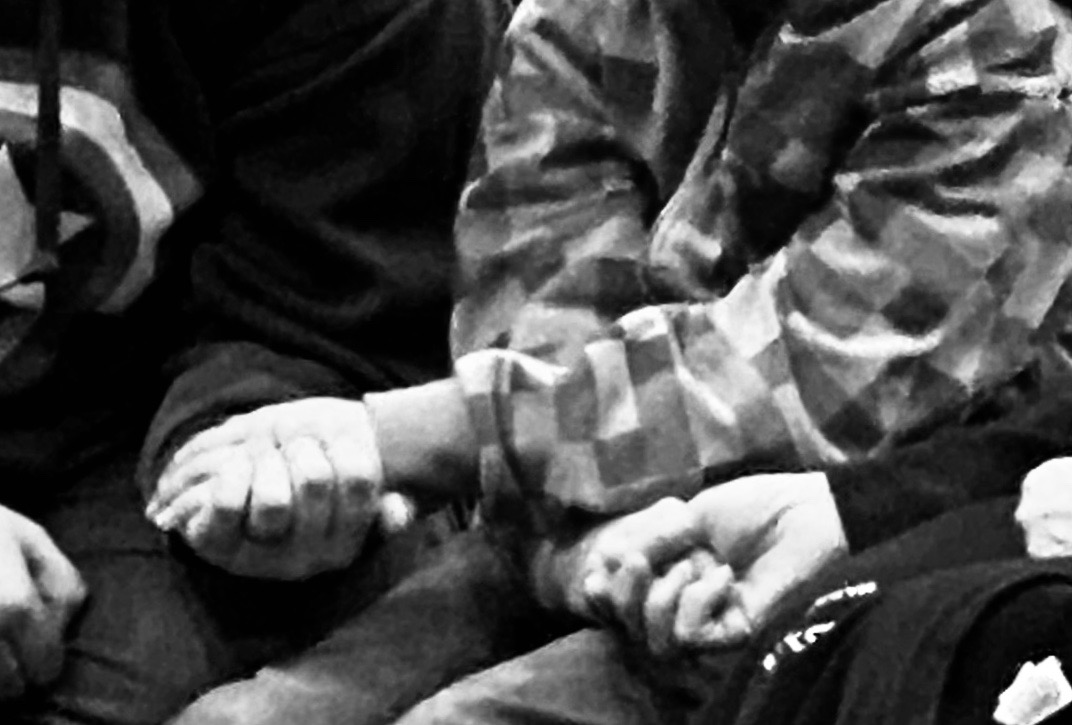
Last Sunday, we experienced a wonderful worship service at our church Faithbridge Presbyterian. Pastor Cheryl Taylor delivered a thought-provoking and uplifting sermon. The Praise Team led us in contemporary songs and a couple of hymns. Sometimes, it’s not always obvious when we, as Presbyterians, feel the Holy Spirit moving because we are pretty staid for the most part, but the enthusiasm with which we sang “Blessed Assurance” offered a good clue. After we finished singing, Pastor Cheryl suggested that we hold hands as we prayed. Pastor Cheryl came to our church in 2021, after we returned in person from the Covid shutdown. But even then, we didn’t return to all our traditions. I don’t know if Pastor Cheryl knew that reaching across the aisles and holding hands had been our custom before Covid, but the second she asked us to hold hands, the gaps between us closed. I was almost giddy to return to this tradition. I felt an overwhelming sense of gratitude.

Holding hands with my church community symbolized the connection we share. We share strong and abiding relationships that we’ve built over the sixteen years since our family moved to Texas. We may not agree completely on every single specific question of faith or politics, but we share a bond based on God’s love. We’ve spent countless hours talking, laughing, learning, and serving together. We’ve experienced some difficult times together as well. We’ve cried through grief. We’ve disagreed. But we’ve forged ahead through the tough parts of the journey and continued to be faithful to God and one another. We are a family, plain and simple. 

But I don’t know that I tell my church family how grateful I am for them on a regular basis. They do so much to make our church run smoothly. We are a relatively small congregation, so everyone has a function and role to play. Without everyone’s participation, we couldn’t worship well, educate our children, care for our members, or manage the church’s business. We also wouldn’t be able to serve others through our mission work. We like to say that we are small but mighty when it comes to helping people. We wouldn’t be a sanctuary for all who walk through our doors if we weren’t tied together by God’s love. 

In a passage from the Apostle Paul’s letter to the church at Corinth, he compares the church community to our physical bodies, in which each body part plays a designated role so that the body functions as a unit. “Just as a body, though one, has many parts, but all its many parts form one body, so it is with Christ. God has put the body together… so that there should be no division in the body, but that its parts should have equal concern for each other. If one part suffers, every part suffers with it; if one part is honored, every part rejoices with it. Now you are the body of Christ, and each one of you is a part of it.” (1 Corinthians 12:12, 24-27). 

While these verses are familiar, when I read them this time, the phrase “its parts should have equal concern for each other” jumped out at me. This is not always easy to accomplish, but when we find that synergy in which our relationships are built on a foundation of God’s love, we can share that love among ourselves equally and then give that love to others. God’s love is not limited and ours doesn’t have to be either. 

I don’t share our church’s story to boast, but to remind myself to be thankful and not take anyone for granted. To appreciate the community that God has built and encourage everyone to search for a community in which God’s love is at the core of the relationships. God welcomes us into relationship with him no matter who we are or what our individual story is. I pray we all find a faith family that will do the same. Thanks be to God.  

Mistakes – We All Make Them

Standard

The Dallas Mavericks played the Brooklyn Nets this past Monday night. Jed and Ben went to the game, but because it started late, 8:45pm on a school night, Alex, Clay, and I stayed home. Clay had a 6:30am wakeup call time for basketball practice the next morning, but that didn’t stop he and I from watching the end of the late game after Alex fell asleep. It was going down to the wire: the Mavs were three points ahead when we fouled the Nets’ Kevin Durant as he went to shoot a three pointer. The plan had been to foul him before his shot was in motion, but Durant is too smart for that and began his shot as our player grabbed his arm. That meant he had three free throws.

 As KD stood at the line, the announcers told us that he’d made 62 free throw shots in a row. That number is insane – 62 free throws! The assumption was that Durant would make all three shots and tie up the game, so the question was what the Mavs’ strategy should be after that inevitability. Durant hit his first shot as expected. Then, Durant, the man who has ice in his veins, missed the second shot. Simply missed it. Clay and I screamed. We couldn’t believe it. KD, who is known to be unflappable and clutch in the last seconds of any game, had choked. He missed the third shot on purpose so that his team could try to get the rebound and put it back up to tie. But the Mavs got the rebound and won the game. Even though we were happy our team won, Clay said, “I feel kind of bad for KD.”

Kevin Durant made a mistake at a crucial moment in a game and broke his streak of successful shots. Honestly, I was glad to witness it. Not because I wanted KD to fail, even though it benefited our team, but because it reminded me that we all make mistakes. Some are small and inconsequential, and some are bigger and reverberate longer, causing more hardship. But either way, none of us are immune from making mistakes. 

And yet, we often react to mistakes by beating ourselves up instead of giving ourselves a break. When I say something or act in a way that is not consistent with how I want to be in the world, I revisit the scenario over and over, thinking about what I wished I’d done. I overanalyze and tell myself that I’m a failure. It takes a long time for me to overcome the regret and shame. Maybe overcome is too strong of a word. Some of the mistakes I’ve made even though not overly egregious will haunt me forever. 

So, what do we do when we’ve owned up to our mistakes and have taken responsibility but can’t dismiss the fact that we made the mistake in the first place? I think one way to help ourselves is to believe we can and will do better the next time. The problem with dwelling on the mistakes we’ve made is that we decide, consciously or unconsciously, that they are indicative of our character. We make a million choices that are right and good, and we don’t give ourselves credit because that was what we were “supposed” to do. But when we make mistakes, instead of giving ourselves grace for the screw up, we may absorb it into our minds and bodies and tell ourselves the falsehood that “These mistakes prove I’m a bad person.” In most circumstances that is far from the truth. Just because we make a mistake does not mean we are forever flawed or rotten at our cores. We must remind ourselves that making mistakes is human and that we can make better choices. We have the power to decide how we view our mistakes. That is a hard truth for me to accept, but my hope is we can give our mistakes their due without using them to cut our self-esteem to the quick.  

Kevin Durant was not happy with himself the other night. He said, “I went up there and missed one. It sucks. Nothing much else I can say about it.” But he didn’t decide he was a bad basketball player as a result. Instead, he scored 29 points the next game. Let’s decide our next mistake will be an opportunity to learn how we want to act in the future, not a permanent indictment of our character.

Coachable or Not?

Standard

My son Jed, a junior in high school, and my son Clay, an eighth grader, are gearing up for their school basketball seasons. My husband Ben sent them a tweet from Coach Jon Beck that said, “Three types of athletes: uncoachable – do the bare minimum/doesn’t listen or communicate; somewhat coachable – will give some effort/occasionally listens/rarely communicates; completely coachable – never stops working/determined to improve & won’t accept less/great communicator.” This was a great reminder to my boys about how to be coachable and strive for success on the court and in life. We want and expect our kids to be coachable and teachable. But I started wondering, do we reach a point as adults when we become uncoachable?  

In school, in college, and in our early working life, most of us try to gather knowledge and work to master certain concepts. But sometimes, as we mature, we become more “set in our ways,” as the saying goes. We stand firm in our beliefs based on what we’ve been taught combined with our experiences, and we don’t waver. In some ways, that sounds good because we know our own minds and aren’t easily swayed. In other ways, though, this is when we become uncoachable. We do the bare minimum, in that we don’t investigate, analyze, or think critically about what’s going on in the world. We don’t have an open mind to receive new information. We won’t listen to other people’s opinions or their life experiences. 

Our vision can become myopic, worried about what is right in front of us, instead of caring about the wider population and their needs. We can develop an “us against them” mentality and dive into fear and defensiveness. We don’t communicate with anyone except those who believe the same way we do. Our knee-jerk reaction is to reject change without wondering about the reasons for the change or who is asking for it.  

When we become uncoachable, we become closed off to the possibilities that life has more to teach us. That God has more to teach us. In one of the familiar stories in the Bible, the “children were brought to Jesus in the hope that he would lay hands on them and pray over them. The disciples shooed them off. But Jesus intervened: ‘Let the children alone, don’t prevent them from coming to me. God’s kingdom is made up of people like these.’” (Matt. 19:13-14 (MSG)). We want our children to soak up knowledge and experience and revel in the delight of learning more about things and people. Maybe God wants us to be like children in that way. To come to God and ask for insight into how God sees the world. To open our hearts and minds and realize that God is constantly at work and wants us to love and care for all of God’s people. To be aware that we don’t know everything and need God’s guidance. 

Perhaps we should realize that being uncoachable is undesirable. Instead, listen and communicate, and attempt to improve our understanding of others. God is always available to coach us in God’s ways. Let us strive to be completely coachable. 

Simply Serviceable

Standard

We were listening to playoff baseball on the radio during a recent road trip. The announcer was talking about a player and detailing several teams that he’d played on. The broadcaster said, “he’s turned himself into a serviceable player.” But the way he said it almost sounded like an insult. The player was not a superstar, not a name everyone would know, but he’d obviously made a career playing baseball at the highest level. Looking at it objectively, this man’s career was successful considering how hard it is to make it in the major leagues in the first place. Just because he wasn’t the most famous player didn’t make him a failure.

The use of the term “serviceable” bothered me, so as is my custom, I looked up the definition. I liked what one source said, “helpful, useful” (merriam-webster.com). But then I found a definition that captured the negative connotation I’d picked up on from the radio because it said, “good enough to be used for a particular purpose but not very attractive or exciting” (macmillandictionary.com). It seems like it’s natural for us to be drawn to people and things that are highly attractive and exciting. Our celebrity culture demonstrates that it’s possible to be famous for being famous. Our social media lives are distorted and manipulated to show only the best, whether the images are authentic or not. We feel like we are less than when we compare ourselves to people who are more successful by society’s standards, more money, bigger house, fancier cars, nicer clothes, better careers. Being “good enough” in our world often equates to failure in our eyes. We feel like we’re “nobody” if we aren’t a popular or well known “somebody.”  

But maybe being serviceable should be our goal. To be helpful and useful to our families and communities means we are dependable and stable. To have a particular purpose suggests we have reasons that inspire us to be proficient and capable. We are asked to serve multiple roles in our lives. To be of service in so many areas is a great accomplishment even if no one highlights us as the best or most successful. Most of us will not achieve flashy titles or over-the-top headlines, but we will create caring homes that support our children. We will help our senior parents navigate the aging process. We will be team players at work and school. We will volunteer our time and effort at church, at our kids’ activities, or for causes that we value.

We will demonstrate devotion and dedication when we show up day after day. We can take pride in being reliable, loyal, and committed to others. We can find contentment in serving others well. We should strive to make the term serviceable a compliment, not a slight. Many of us may never know the extent of the positive impact we have on people, but that doesn’t make us any less important to the world. Seeking to be serviceable is a worthy way to live. Being good enough is simply good enough.